
According to the calendar, Hinamatsuri falls on March 3rd, just before the arrival of mid-spring. This year has been said to be a warm winter, and many people may have felt the change of seasons early. Along with the warm rain, new buds are beginning to take on color in the fields and mountains, and we are all looking forward to the cherry blossoms blooming.
It is in this context that Hinamatsuri (Girl's Day) falls on March 3rd. The menu for celebrations changes with the times and trends, but it is said that the Hinamatsuri menu has become a standard menu for many households around March 3rd, regardless of the times, trends, or the gender or presence of children.
When it comes to Hinamatsuri menus, chirashi sushi and clam soup come to mind. Snacks like sakura mochi and hina arare are served, adding a touch of spring color to the dining table. In this article, we'll focus on colors and learn about classic dishes, ingredients, and their meanings and origins, and hopefully give you some ideas for enjoying seasonal meals and incorporating new elements of your home.


Diamond-shaped rice cakes that represent spring and prayer
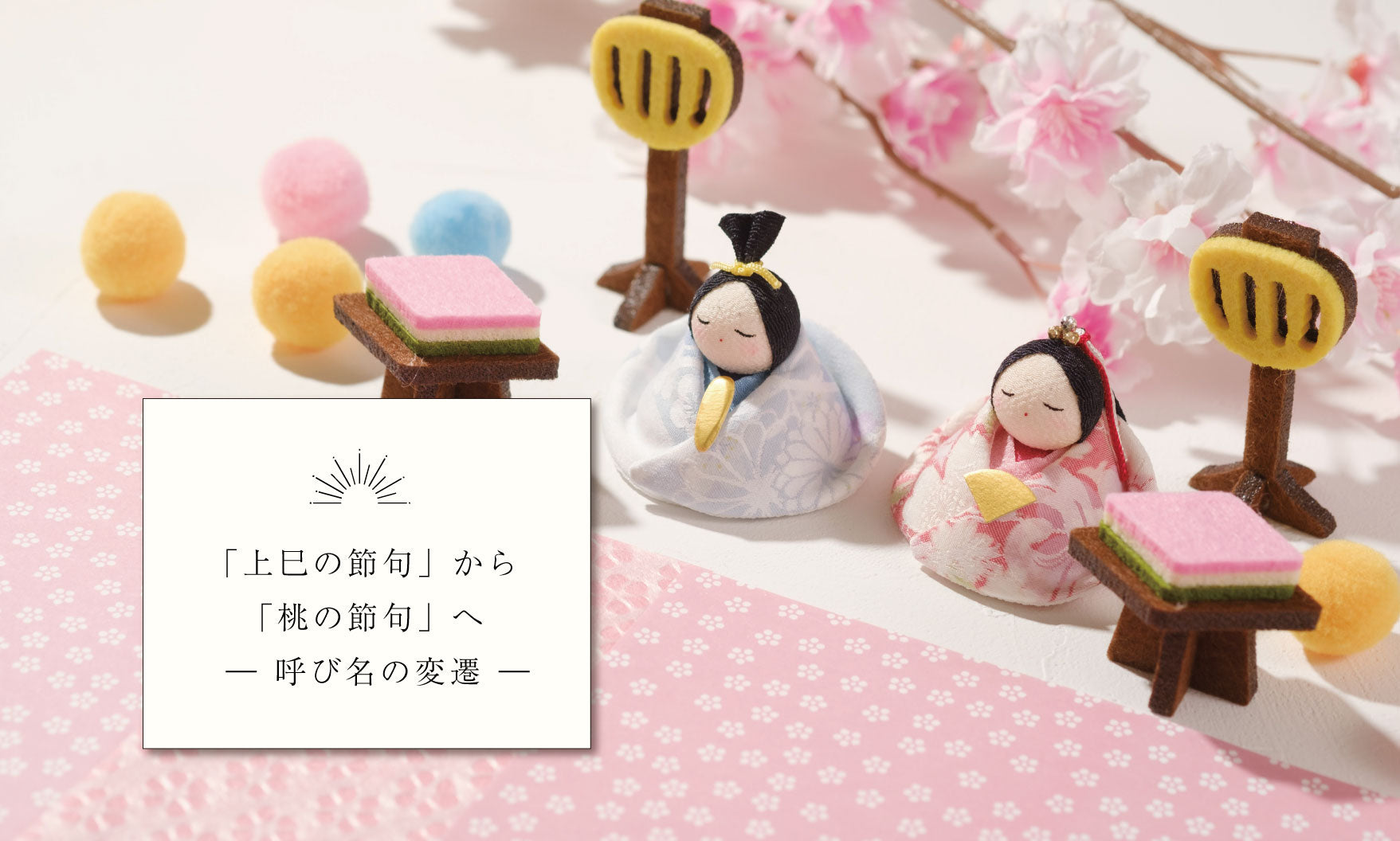
When you think of Hinamatsuri, you think of Hina dolls. The food that is displayed with the dolls is "Hishimochi" (diamond rice cakes).

In ancient China, there was a custom of eating rice cakes filled with "mother and child grass," a plant of the Asteraceae family, on the day of the Sachi Festival.
When it was introduced to Japan, it was changed to mochi containing mugwort, which is believed to have the power to ward off evil spirits. During the Edo period, white mochi containing water chestnuts began to be layered on top of mugwort mochi, and during the Meiji period, red mochi colored with gardenia flowers also began to be layered on top.

There are several theories about why Hishimochi is shaped like a diamond. Some say it is to resemble the fertile diamond fruit, others say that the square shape is meant to pray for longevity, and others say that it is shaped like a heart.
A classic celebration! Chirashi sushi

The ingredients used also have meaning behind them, and it is said to be a dish that prays for the child's healthy growth in the future, making it a standard dish not only for Hinamatsuri, but also for Boys' Day and various other celebrations for children.

In recent years, many households have started eating temari sushi instead of chirashi sushi.
Cute shaped temari sushi!
Temari-zushi, as the name suggests, is a type of sushi that is round like a ball and decorated with colorful sashimi and other ingredients.
There is no origin for the name Temarizushi itself, but sushi is a standard dish at celebratory occasions as it means " to govern longevity ," and since "temari" itself has various meanings, it has become a standard celebratory dish because it is "sushi" that incorporates the meaning of "temari" and its cute appearance.

The meaning of "Temari"
The "Tsurushi Hina" balls that are displayed on the first day of the New Year are considered lucky charms and are also used as toys for young children. Their plump and happy bouncing figures are filled with wishes for a rich and fulfilling life.
The "temari" pattern is often used on kimonos and obi.
This pattern symbolizes femininity and cuteness. Because it is made using long threads, it is a pattern that represents "connecting with good relationships" and its round shape also represents parents' wishes for their children's happiness, such as "building a harmonious family" and "everything will work out smoothly."
Clam soup

Clam shells come in pairs and will never fit with other shells. Because they always fit perfectly, they were even used in the game of "shell matching" during the Heian period. This is why it is said that clam shells represent a wish to spend one's life with one person.
Because of this, it is said that people began to eat it on Hinamatsuri in hopes of finding a good partner, and it is served on wedding ceremonies as a symbol of the close relationship between a happy couple and their parents.
Hina Arare
The basic colors of Hina Arare are white, pink, green, and yellow .

Hina arare, which is cute and colorful, is said to be a prayer for the healthy growth of daughters.
The four colors "white, peach, and green" have the same meaning as hishimochi, and are said to represent the four seasons. The meaning of yellow will also be added.

Nowadays, they are sold in a variety of colors and flavors to suit your tastes.
The cute packaging matches the colorful colors and is enjoyable to look at.
Momoka sake

The name Baijiu comes from "Peach Blossom Wine," which is garnished with peach petals.
Peaches were introduced from China as a medicinal liquor, believed to ward off evil spirits and be nutritious. In ancient China, peaches were considered a tree that wards off evil spirits, so they came to be used in the Hinamatsuri festival as a prayer to ward off misfortune. Peach leaves are also said to be effective against skin diseases, and in the past people would float peach leaves in their baths.
For children, try amazake♪
Many people think that amazake and shirozake are the same thing, but they are completely different. Shirozake and amazake are often confused because they look similar, but shirozake is made by lightly grinding the mash, which is made by fermenting shochu with rice and koji, and letting it mature for about a month.
Amazake is a sweet drink made by mixing rice malt with rice or porridge and keeping it warm. It is also called "one-night sake" because it is easy to make and can be made overnight.
Amazake is recommended when enjoying a party with children as it creates a nice atmosphere.
Since it is made from koji, it is good for your health and can be enjoyed by the whole family.
Celebration is about enjoying food, enjoying the season and being happy!
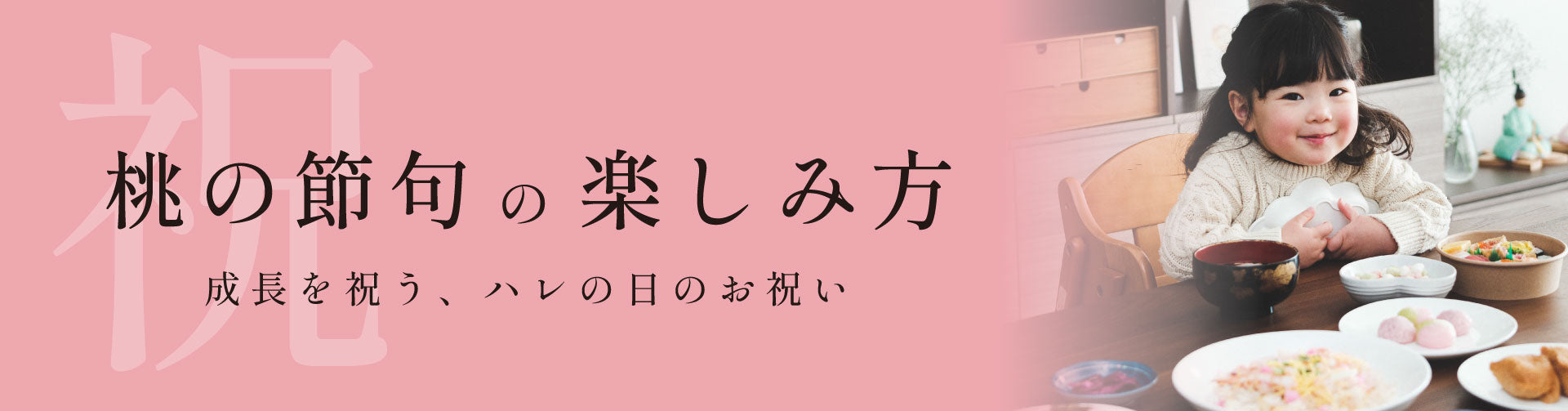
A Hinamatsuri dinner table incorporating spring colors.
In addition to these traditional celebratory menus, incorporating your child's favorite foods will not only make the celebration more visually appealing, but also more enjoyable for your child.